Bag Crochet Design: 4 Key Elements to Know
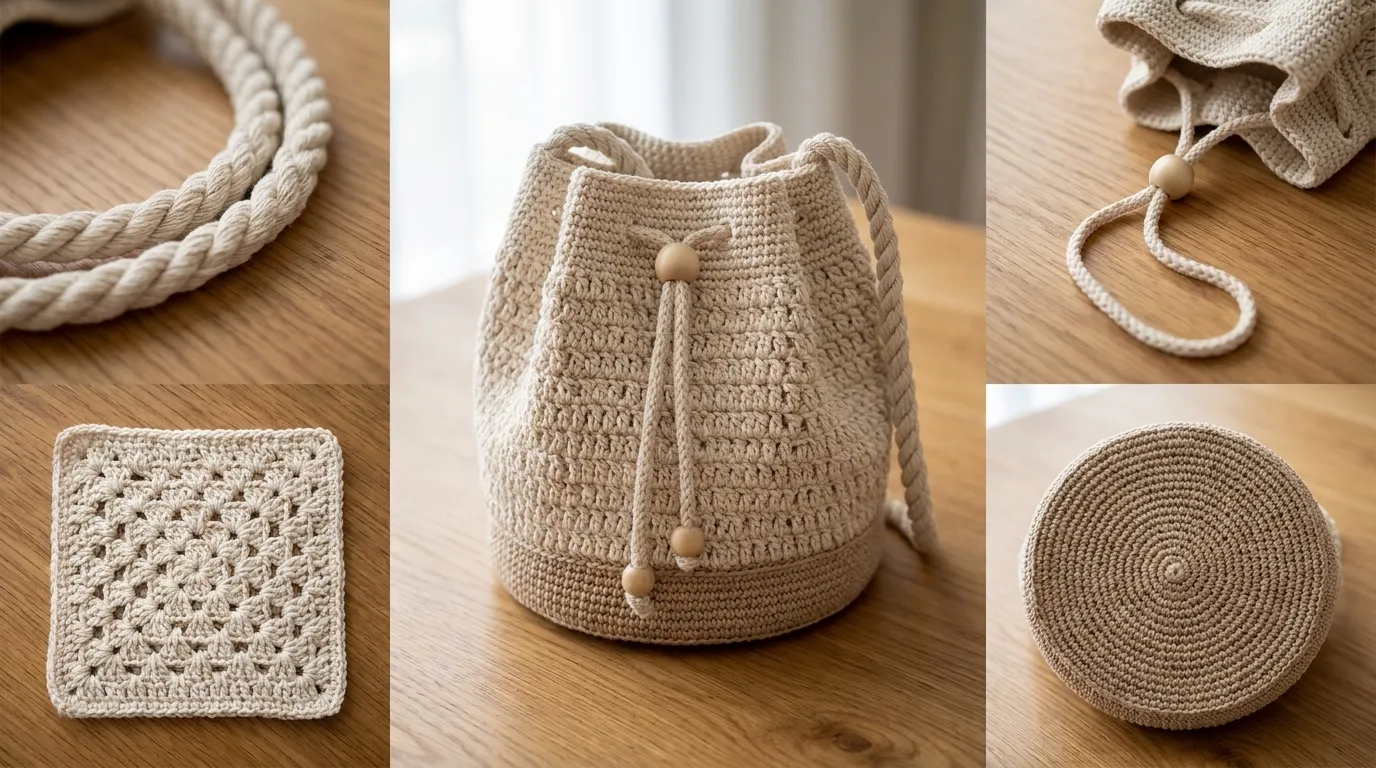
After making more crochet bags than I can honestly count, I’ve noticed something: most of the difference between a bag that looks homemade and one that looks genuinely well-made comes down to a handful of small design decisions, not the overall shape. Good bag crochet design isn’t really about choosing “tote vs. clutch” it’s about how you handle the details within whatever shape you pick. Here are the four elements that matter most, and what to consider for each one.
Table of Contents
1. Handle & Strap Designs
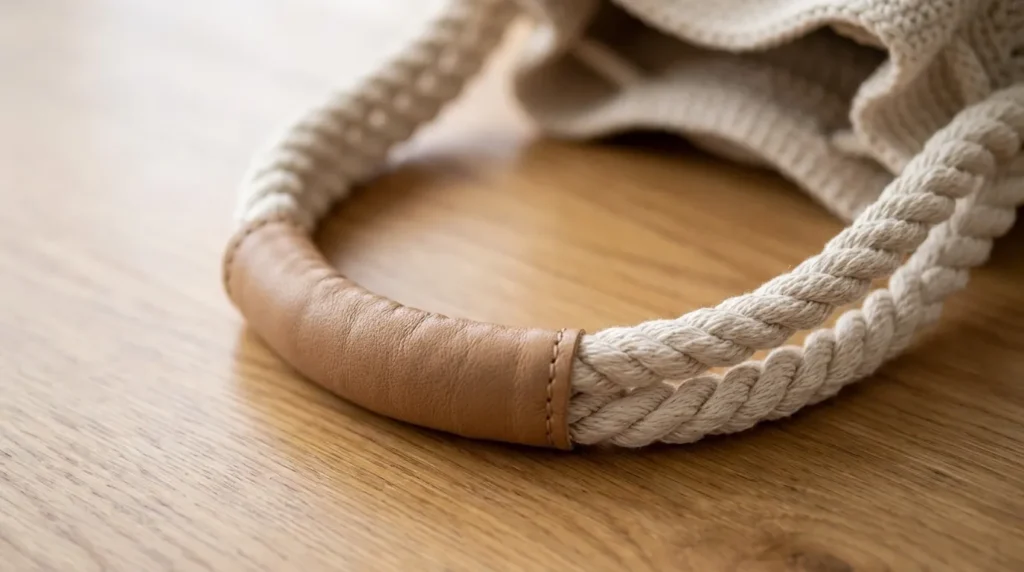
The handle is the first thing anyone touches, and it’s often the first thing that fails if it’s not designed well. This is one of the most overlooked parts of bag crochet design, yet it has a huge impact on both how the bag feels to carry and how long it actually lasts.
Difficulty Level
Beginner to Intermediate | Estimated Time: 1-3 hours (handle alone)
Materials You’ll Need
- Yarn: Worsted weight cotton yarn, or the same yarn as the bag body (50-100g)
- Hook Size: 4mm – 5mm
- Additional Items: Scissors, yarn needle, optional leather or chain handle hardware
- Optional Embellishments: Leather wrap, wooden beads, chain detail
Key Features & Benefits
- Directly affects comfort during everyday wear
- A major factor in how durable the bag feels over time
- Can completely change the style of an otherwise simple bag
- One of the easiest elements to swap or upgrade on an existing project
Size & Dimensions
- Short Handle: 15-20cm (handbag style)
- Shoulder Strap: 50-60cm
- Crossbody Strap: 100-130cm (adjustable)
Best Color Combinations
- Matching Tonal: Same color as the bag body for a seamless look
- Contrast Pop: A bold accent color against a neutral bag
- Natural Mix: Leather handles against natural cotton crochet
Customization & Variations
- Work a flat single crochet strap for maximum strength on heavier bags
- Add a twisted cord handle for a lighter, more delicate look
- Wrap a crocheted handle in leather or fabric for reinforcement
- Use chain hardware for a more structured, elevated handle
- Make the strap adjustable with a slider buckle for versatile wear
Perfect For
- Any bag crochet design – handles apply to nearly every bag style
- Beginners – a quick, low-commitment way to practice a new technique
- Upgrading an existing bag – swap a worn handle for a new one
- Durability-focused makers – handles take the most wear of any part
Pro Tips & Maintenance
- A denser stitch (single crochet rather than double) makes for a noticeably stronger handle
- Reinforce the attachment points with extra stitching, since this is where most handles eventually fail
- Test the handle’s strength with the bag’s expected contents before finishing the project
- Re-stitch attachment points periodically if the bag sees heavy daily use
2. Closure Designs
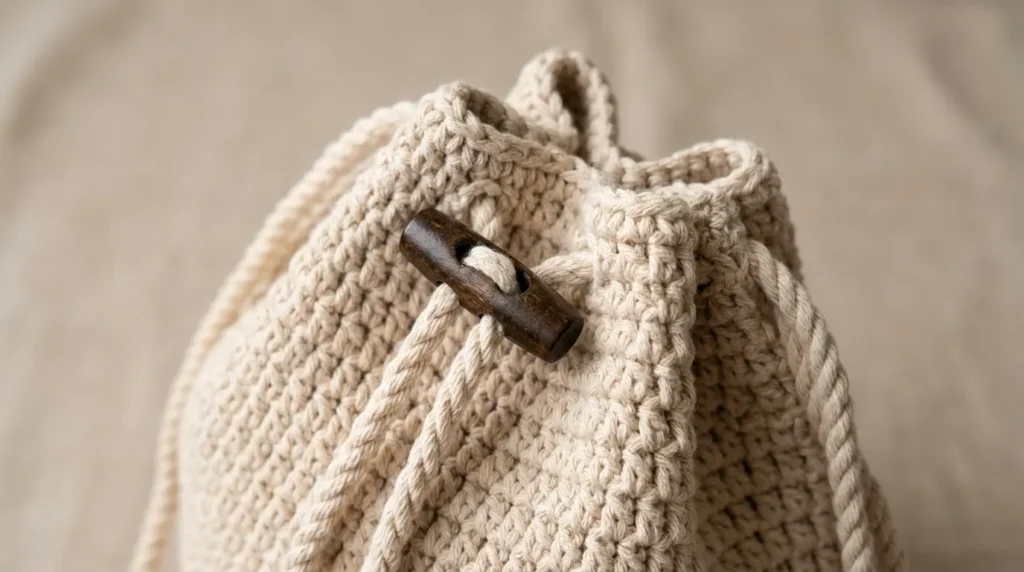
How a bag opens and closes is one of those details people don’t notice until it’s missing. A thoughtful closure is a quiet but essential part of good bag crochet design it’s the difference between a bag that feels finished and one that feels like it’s missing a step.
Difficulty Level
Beginner to Intermediate | Estimated Time: 1-2 hours (closure alone)
Materials You’ll Need
- Yarn: Matching or contrasting yarn for drawstring cord or tab (10-30g)
- Hook Size: 4mm – 5mm
- Additional Items: Scissors, yarn needle, zipper, button, toggle, or magnetic snap (depending on closure type)
- Optional Embellishments: Decorative button, tassel pull, contrast cord color
Key Features & Benefits
- Protects the bag’s contents from falling out
- Adds a finished, intentional look to the design
- Different closures suit different bag styles and use cases
- Relatively quick to add to an already-finished bag body
Size & Dimensions
- Drawstring Cord: 100-150cm (depending on bag opening width)
- Flap Closure: Sized to cover one-third to one-half of the bag opening
- Button/Toggle: 2-4cm diameter
Best Color Combinations
- Seamless Match: Same yarn color as the bag for a subtle closure
- Statement Contrast: Bold button or toggle color against a neutral bag
- Natural Accent: Wooden or leather toggle against cotton crochet
Customization & Variations
- Add a drawstring closure for a classic bucket-bag style
- Use a fold-over flap with a button or magnetic snap
- Install a zipper for maximum security, especially on structured bags
- Add a simple tie closure for a relaxed, boho aesthetic
- Use a toggle and loop closure for an easy one-handed open and close
Perfect For
- Any bag crochet design where contents need to stay secure
- Beginners – most closures are simple to add once the bag body is done
- Bags carrying valuables – zippers offer the most security
- Everyday bags – drawstrings and toggles offer quick, easy access
Pro Tips & Maintenance
- Reinforce drawstring eyelets with a few extra stitches so they don’t stretch out over time
- Choose a zipper slightly shorter than the opening for the cleanest, most secure fit
- Test the closure’s ease of use one-handed, since that’s how most people actually open their bags
- Replace worn closures (toggles, buttons) as needed rather than remaking the whole bag
3. Pattern & Texture Designs
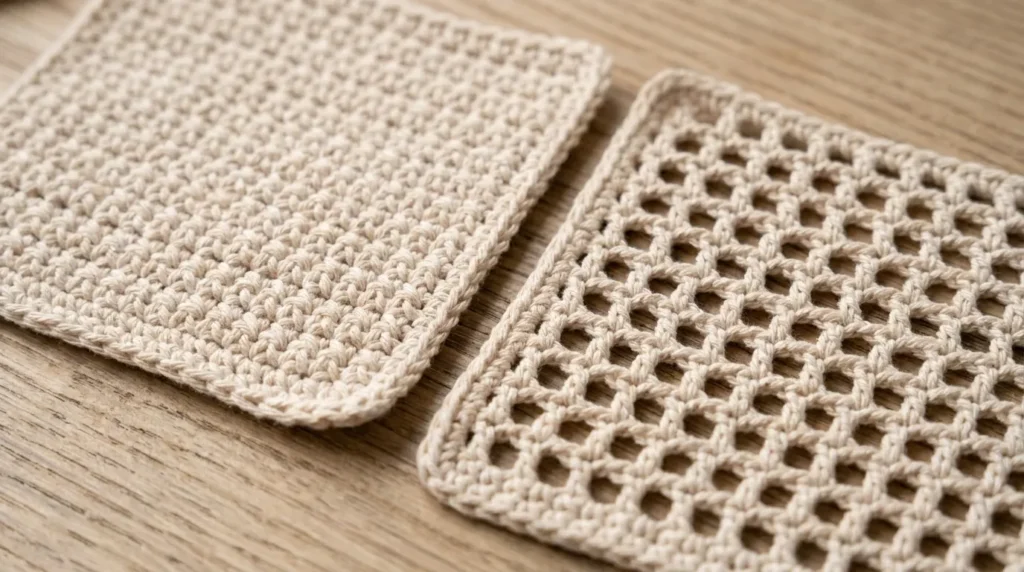
The stitch pattern you choose does more work than people expect in bag crochet design it affects the bag’s weight, its structure, and honestly, most of its personality. The same bag shape can look completely different depending on the stitch pattern alone.
Difficulty Level
Beginner to Advanced (varies widely by pattern choice) | Estimated Time: Varies significantly
Materials You’ll Need
- Yarn: Worsted weight cotton yarn, amount varies by bag size (200-400g)
- Hook Size: 4mm – 5.5mm
- Additional Items: Scissors, yarn needle, stitch markers
- Optional Embellishments: Contrast stitch rows, textured panels, color-blocking
Key Features & Benefits
- Dramatically changes the bag’s overall look without changing the shape
- Different textures suit different levels of structure and drape
- A great way to practice a new stitch technique in a smaller project
- Can hide minor tension inconsistencies better than a plain stitch
Size & Dimensions
- Varies entirely based on the bag’s overall design pattern choice affects fabric density more than finished size
Best Color Combinations
- Textured Solid: A single color lets a textured stitch (like bobble or shell) stand out
- Graphic Two-Tone: Mosaic or filet crochet works best with high contrast colors
- Classic Multi: Granny squares shine with a coordinated multi-color palette
Customization & Variations
- Use single crochet for a dense, sturdy, everyday bag fabric
- Try filet crochet for an open, lacy summer bag design
- Add a mosaic crochet panel for a bold graphic statement
- Use granny squares for a retro, patchwork-style bag
- Combine two stitch patterns solid for structure, open for style in one bag
Perfect For
- Any bag crochet design – stitch choice applies universally
- Beginners wanting a sturdy, forgiving fabric – single crochet
- Intermediate to advanced makers – mosaic, filet, or combined techniques
- Practicing a new stitch in a smaller, lower-commitment project
Pro Tips & Maintenance
- Denser stitches (single crochet) create naturally sturdier bags without a lining
- Open stitch patterns (filet, mesh) often need a fabric lining for practical everyday use
- Keep consistent tension throughout, especially with textured or graphic stitch patterns
- Block the finished panel before assembly to ensure the pattern lies flat and even
4. Base & Structure Designs
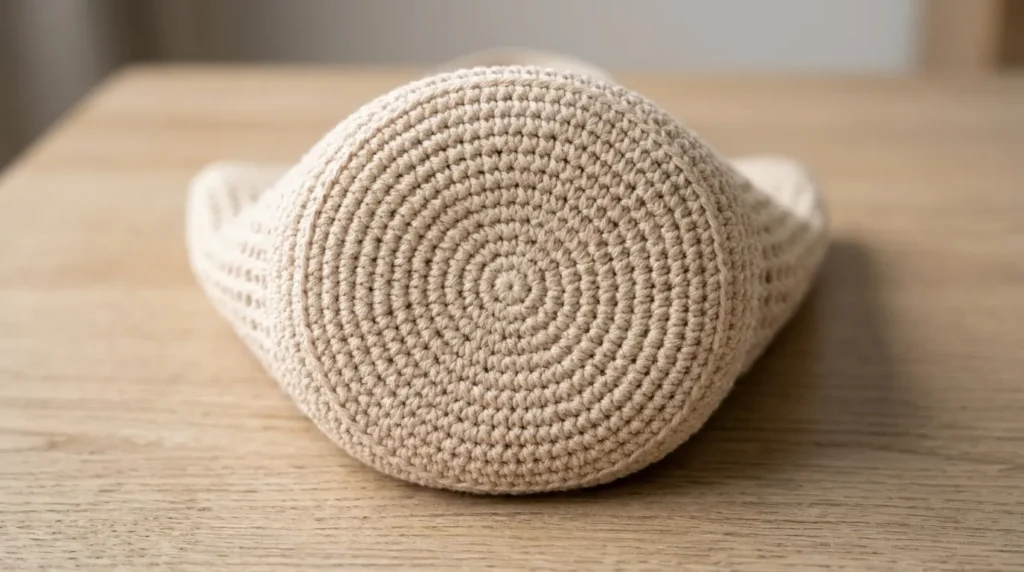
The base is the foundation. sometimes literally of good bag crochet design. A well-constructed base determines whether a bag holds its shape on its own or collapses the moment you set it down.
Difficulty Level
Intermediate | Estimated Time: 2-4 hours (base and structural elements)
Materials You’ll Need
- Yarn: Worsted weight cotton yarn, firmer tension recommended (100-200g for the base)
- Hook Size: 3.5mm – 4.5mm (smaller than body for a denser base)
- Additional Items: Scissors, yarn needle, stiff interfacing, plastic canvas, or cardboard insert
- Optional Embellishments: Contrast base color, decorative stitched border where base meets body
Key Features & Benefits
- Determines whether a bag stands upright or collapses when set down
- A flat, oval, or round base changes the bag’s entire silhouette
- Structural inserts can transform a soft bag into a structured one
- Often the most technical part of the whole design to get right
Size & Dimensions
- Small Base: 15-18cm diameter or width
- Medium Base: 20-26cm
- Large Base: 28-35cm
Best Color Combinations
- Base color typically matches the body, though a contrast base can add a playful design detail
Customization & Variations
- Use a firmer, smaller hook for the base rounds than the rest of the bag
- Add a rigid insert (plastic canvas or cardboard) for a fully structured base
- Try an oval base for a more elongated, tote-style silhouette
- Use a flat, square base for a boxier, more architectural shape
- Add a contrast-color base as a subtle design detail
Perfect For
- Any bag crochet design meant to hold its shape
- Structured handbags and totes – where a firm base is essential
- Intermediate crocheters – base construction often trips up newer makers
- Everyday bags – a solid base extends the bag’s practical lifespan
Pro Tips & Maintenance
- Use a hook one size smaller for the base rounds to create denser, firmer fabric
- A rigid insert makes the single biggest difference in whether a bag stands upright
- Count stitches carefully on each round of the base small errors here compound as the bag grows
- Reinforce the point where the base meets the sides, since this seam carries the most structural stress
Conclusion: Design Is in the Details
That’s the real lesson behind strong bag crochet design the overall shape matters less than people assume, and the handle, closure, stitch pattern, and base are what actually separate a good bag from a great one. Next time you start a new bag, try focusing on just one of these elements and see how much of a difference it makes.
Looking for more handmade inspiration? Explore our other collections, including our crochet bag ideas, crochet bags for women, and more crochet bag ideas, for even more projects to add to your list.
Ready to design your next bag? Pick one element to focus on, grab your hook, and let’s get stitching.
Your next well-designed bag is just a few stitches away. Let’s get hooking!